Introduction
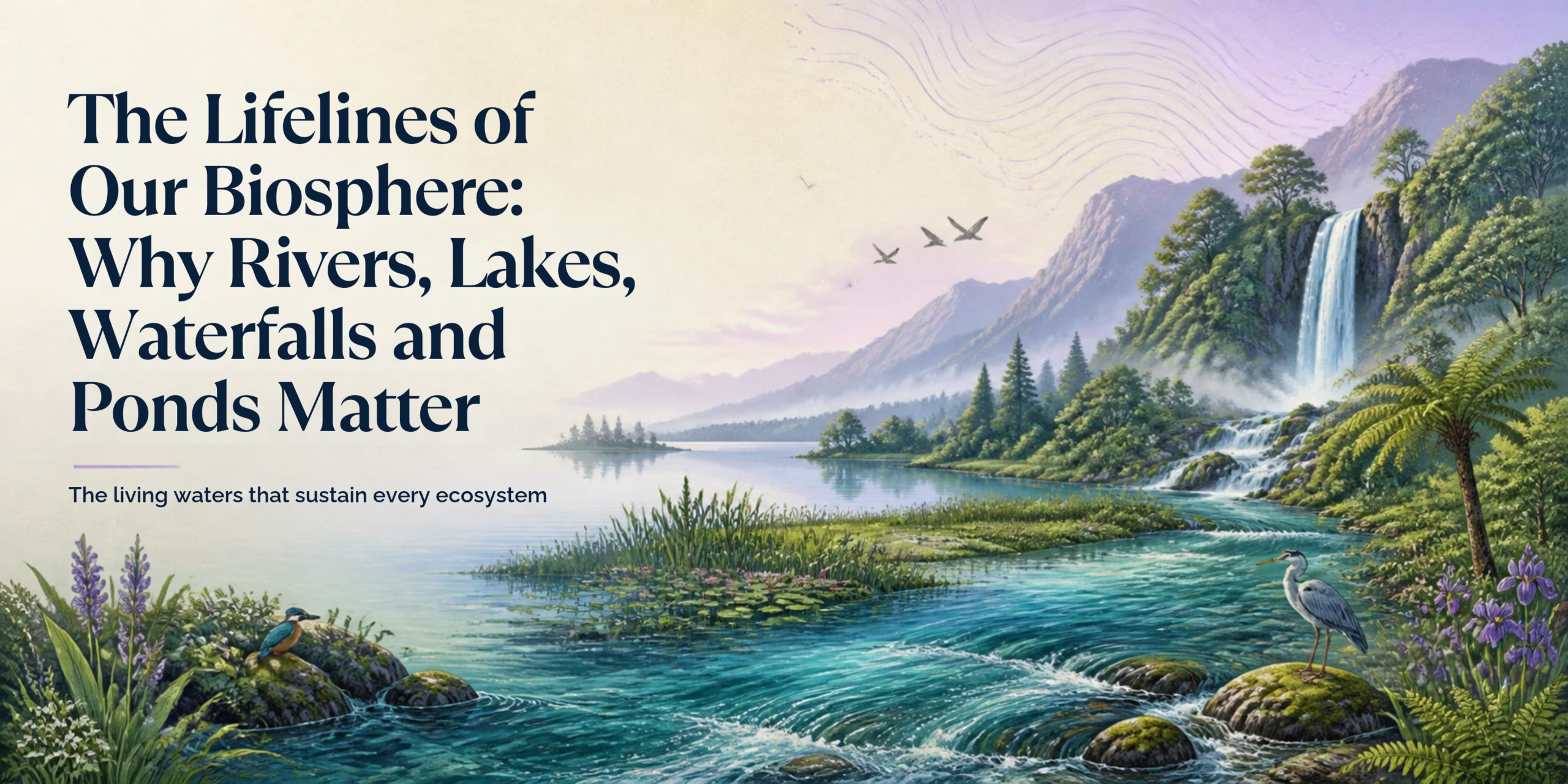
Water is essential to the survival of life on Earth. Rivers, lakes, and ponds are important sources of water for all living organisms. They provide a home for many living things and help maintain balance on Earth. Water bodies are also connected with culture and tradition. This is why we should keep them clean and protect them for the future.
Explain the Meaning of the Biosphere and the Role of Water Ecosystems Within It
Meaning of the Biosphere
The biosphere includes all living organisms and ecosystems on Earth. It shows that plants, animals, humans, water, soil, and air are connected. Earth ecosystems are always changing due to ecosystem and human activities. Important elements like carbon, nitrogen, and phosphorus move through ecosystems. Human activities can change the environment. Understanding these changes helps us take responsible actions.NASA's biosphere studies how the environment changes. NASA's biosphere looks at changes in land, oceans, atmosphere, and living systems. These changes can affect food, clean water, biodiversity, and human safety.
Role of Water Ecosystems Within the Biosphere
Rivers, lakes, ponds, and other water ecosystems are home to many plants and animals. They provide food, water, and shelter for many living things. They are also important for human beings because they give us drinking water and fresh fish. Understanding the role of water bodies in the biosphere helps us understand how these ecosystems support life on Earth.
Explain How Freshwater Ecosystems Support Biodiversity
Freshwater ecosystems and biodiversity are closely connected. Freshwater generally provides a home and a safe breeding place for plants and animals. Algae and even tiny microbes depend on freshwater bodies. In this way, freshwater ecosystems help maintain biodiversity.
Ecological Importance
Rivers as Lifelines
Rivers provide drinking water to human beings. It also provides water for farming. Rivers also carry soil, which makes nearby land good for farming. These benefits show the importance of freshwater resources for human life and agriculture.
Lakes, Ponds and Wetlands
Lakes and ponds store water for people, animals, and plants. They also help increase groundwater when water slowly goes into the soil. Ponds and rivers also store rainwater, which reduces the risk of flooding. In villages, ponds and lakes are used for catching fish.
Waterfalls and Natural Water Systems
A waterfall forms when river water falls from a high place. They make the surroundings beautiful and support plants and every species of the ecosystem. Waterfalls also attract tourists and help local people earn money.
Economic Importance
Freshwater bodies support farming, fishing, tourism, and hydropower. They provide food, jobs, and income to many people. Many local businesses also depend on rivers, lakes, ponds, and waterfalls for their livelihoods.
Human Civilization and Culture
Threats to Freshwater Ecosystems
Freshwater bodies face several problems nowadays. Plastic, garbage, and dirty sewage can make water bodies polluted and unsafe. Ponds and wetlands are destroyed to make space for houses and factories.
Conservation and Sustainable Use
We can save water bodies through simple steps. We should keep rivers, lakes, and ponds free from plastic and waste. Sewage should be treated before it enters the water. Rainwater harvesting can help save water. Freshwater ecosystem conservation is important to protect these water bodies and maintain healthy ecosystems.
Conclusion
Rivers, lakes, and wetlands are not just water bodies, but also the lifeline of human civilization. They provide water, food, and oxygen, which are essential assets of life. Protecting ecosystems means protecting the future.